Back
How to make an event trend on X in 2026 (and when it is worth trying)
- 10 Oct 2017|
- Digital Marketing|
- Posted by Martyn East
Getting an event to trend on X in 2026 is harder than it was in the past, but it is not obsolete. What has changed is how the platform judges activity and what businesses should realistically aim to achieve. Trending is no longer about pushing a hashtag as hard as possible. It is about creating a short, credible surge of real conversation that the platform recognises as timely and relevant.
I have worked on live event amplification campaigns since well before X rebranded, including regional business awards that relied on sponsors, finalists, media and attendees posting within a tight window. The mechanics still apply, but only when they are used with restraint and purpose.
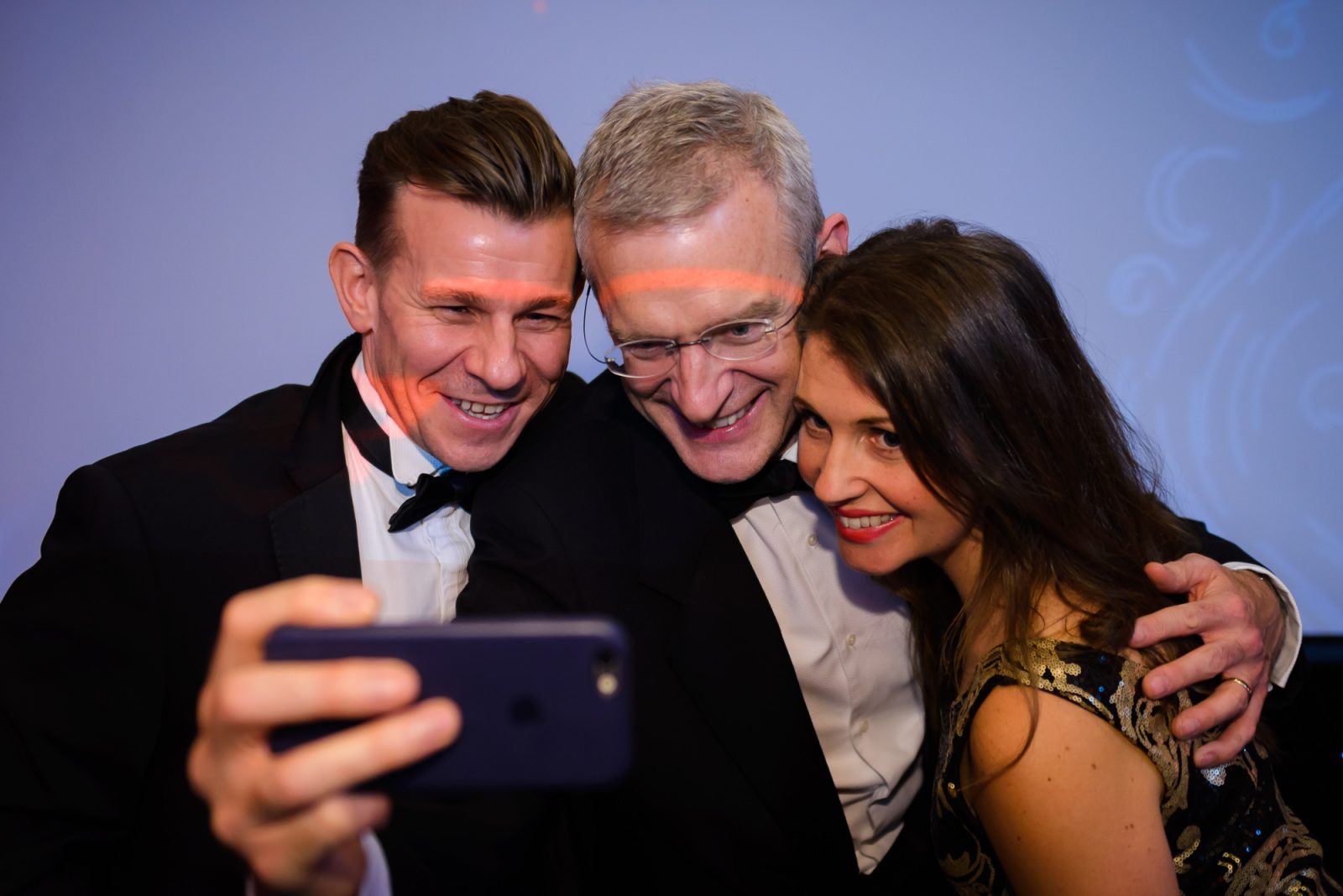
Business Leader Awards: event content that drove real-time engagement on X.
Is trending still achievable in 2026?
Yes, but only under the right conditions. X now prioritises speed, credibility and interaction quality over raw volume. A hundred people replying, quoting and reacting in real time will travel further than thousands of repetitive broadcast posts. The platform also applies far stricter filtering to behaviour that looks automated or forced.
For most events, the real objective should be to dominate the feeds of the people who matter: attendees, partners, sponsors and relevant industry voices. If a hashtag trends as a result, that is useful. If it does not, the campaign can still be a success.
The role of hashtags has narrowed
Hashtags on X now act as context markers rather than discovery tools. They help the platform understand what a conversation relates to, but they do not drive reach on their own. A hashtag with no replies, no quotes and no credible accounts behind it will stall quickly, no matter how often it is repeated.
A good event hashtag in 2026 is short, specific and readable at speed. It should be seeded before the event, so it does not appear suddenly and without history on the day. More importantly, it must be used naturally within conversations, not appended mechanically to every post.
Why most campaigns fail before the event starts
The biggest mistake I see is leaving social activity until the event itself. By the time doors open, it is already too late to build momentum from scratch. X needs context, and people need prompting.
Before an event, visibility is built through speaker announcements, finalist reveals, agenda highlights and sponsor mentions. These posts should encourage reaction and discussion rather than simple sharing. When attendees arrive already familiar with the hashtag and comfortable using it, the platform has far more to work with.
People create momentum, not schedules
Scheduled content still has a role, but it cannot carry an event campaign on its own. Real momentum comes from people in the room reacting to what they are seeing and hearing.
On the day, the most effective activity is conversational. Attendees replying to each other, speakers commenting on sessions, sponsors reacting to moments on stage. These interactions create threads, and threads are what X now surfaces most aggressively.
This is also where many brands go wrong by over-controlling messaging. People post more, and more naturally, when they are not being told exactly what to say.
Account credibility now shapes reach
In earlier years, volume could compensate for weak accounts. That is no longer the case. X places more weight on who is posting than how often they post.
Accounts with history, consistent engagement and recognised identities will always travel further than newly created or rarely used profiles. Tagging regional media, industry bodies or known individuals can help, but only when it is relevant and earned. Forced tagging is easy to spot and increasingly ineffective.
What matters during the event itself
During the event, speed matters more than polish. Posts that react to live moments, share images with people correctly tagged, or respond quickly to attendee posts generate far more visibility than carefully written updates shared too late.
A small amount of scheduled content is still useful, particularly for award winners or key announcements, but it should support live activity rather than replace it. The first hour remains the most important window, as this is when X decides whether a topic has momentum or not.
Understanding velocity rather than volume
Trending is triggered by sudden spikes, not slow accumulation. X looks for a sharp increase in conversation within a short timeframe, particularly when that conversation involves multiple unique accounts interacting with each other.
In practical terms, this means a focused burst of genuine engagement will always outperform a longer stream of repetitive posts. Chasing total post numbers without interaction rarely works.
Incentives still work when they feel natural
On-site prompts remain effective, but only when they are subtle. Displaying the hashtag on screens, mentioning it briefly from the stage, or rewarding thoughtful interaction rather than sheer volume can all help encourage participation.
Over-gamifying social activity often backfires, as it pushes people towards low-quality posts that the platform quickly suppresses.
Measuring success properly
Impressions alone are no longer a reliable measure of value. A campaign can generate millions of impressions and still deliver little commercial benefit.
More meaningful indicators include:
- Engagement from accounts sponsors care about
- Growth in relevant followers during the event
- Referral traffic to event or partner pages
- Post-event conversations with sponsors referencing visibility
These outcomes matter far more than a screenshot of a trending list.
When chasing a trend is the wrong decision
Not every event should attempt to trend. Smaller, niche events often perform better by focusing on deeper engagement within a defined audience rather than public visibility. If your audience primarily lives on LinkedIn or email, effort is usually better spent there.
Trying to force a trending moment without the right conditions wastes time and risks diluting the wider event experience.
My closing perspective
In 2026, making an event trend on X is less about tactics and more about judgment. When the audience is primed, the participants are engaged, and the conversation is real, visibility follows. When any of those elements are missing, no amount of scheduling or hashtag repetition will compensate.
Used selectively and with intent, X can still play a valuable role in event amplification. The key is knowing when it is worth pursuing, and when quieter, more targeted visibility will deliver a better outcome.

About the Author – Martyn East
I’m Martyn East, an SEO Executive at Purplex. I help businesses plan, write, and improve people-first content that ranks, converts, and supports the wider marketing mix. That includes practical guidance on X (Twitter) event marketing, social media strategy, and the on-page SEO details that shape visibility. If you want a clear plan and measurable outcomes, see our SEO services or social media services.
Connect with me on LinkedIn or read more: Martyn East.
Want your next event to get seen (and measured)?
If you want help turning your event into real visibility on X and beyond, we can support the strategy, content, creative, and tracking, then report back with the numbers that matter to sponsors and stakeholders. Speak to us via the contact page, email grow@purplexmarketing.com, or call 01934 808132. You might also like to read
- The beginners guide to social media – a practical refresher on how to approach platform choice, content, and audience behaviour when you want consistent engagement.
- Instagram tips to help get your business noticed – useful if your event plan needs stronger visual content and a clear posting rhythm across channels.
- Corporate social media disasters – a reminder of the risks, what to avoid, and how poor judgement can spread fast when posting live.
- Why you should be using video for your digital marketing – a useful companion piece if you want event footage, clips, and short-form content to do more than just sit on a hard drive.
This entry was posted in Digital Marketing