Back
Most Successful Marketing Campaigns: Lessons for Construction
- 5 Nov 2025|
- branding and design|
- Posted by Martyn East
Good marketing is like laying concrete. If the mix is wrong, cracks soon show. The most successful marketing campaigns are built on strong ideas, clear messages, and trust, just as a good building project.
You’ll see how six famous campaigns made billions and what every construction firm can learn from them. These stories prove that smart marketing isn’t about spending big; it’s about building something that lasts.
| Campaign | Brand | Core Strategy | Result | Lesson for Construction |
| Good Things Come to Those Who Wait | Guinness | Turned waiting into quality | 5.4% sales increase | Reframe time as craftsmanship |
| Think Different | Apple | Sold values, not features | Saved from bankruptcy | Sell your why, not just what |
| Just Do It | Nike | Simple, emotional message | Market share from 18% to 43% | Keep messaging short and punchy |
| A Diamond Is Forever | De Beers | Created a new buying habit | Built a lasting cultural tradition | Build long-term customer habits |
| Compare the Meerkat | Compare the Market | Made a boring product fun | Market share from 20% to 50% | Show personality and warmth |
| Share a Coke | Coca-Cola | Personalised mass product | 7% sales increase | Make customers feel special |
Guinness: Good Things Come to Those Who Wait
Turn Your Biggest Problem into Your Best Selling Point
In the late 1990s, Guinness had a problem. People complained that the drink took too long to pour. Instead of hiding it, their agency flipped it on its head. They made waiting part of the magic.
The “Good Things Come to Those Who Wait” ad showed surfers timing a perfect wave, just like timing a perfect pint. It turned a complaint into something people were proud of.
The campaign increased Guinness sales by 5.4% in the first year and made the brand cool again with younger drinkers. People stopped seeing the slow pour as a fault. They saw it as proof of quality.
Three reasons it worked so well:
- Turned weakness into strength – They didn’t try to speed up the pour; they celebrated it
- Built pride around craft – Made customers feel smart for choosing something that takes time
- Created emotional connection – Used beautiful imagery that people remembered
What construction businesses can learn
When clients think your jobs take too long, don’t rush or apologise. Reframe it. Say “We don’t cut corners. We do it once, we do it right.” Show the care that goes into your work through photos and videos of each stage.
Take pictures of the preparation work that customers don’t usually see. Show them why proper damp-proofing takes three days, not three hours. Good things and strong builds take time. Make that your strength, not your apology.
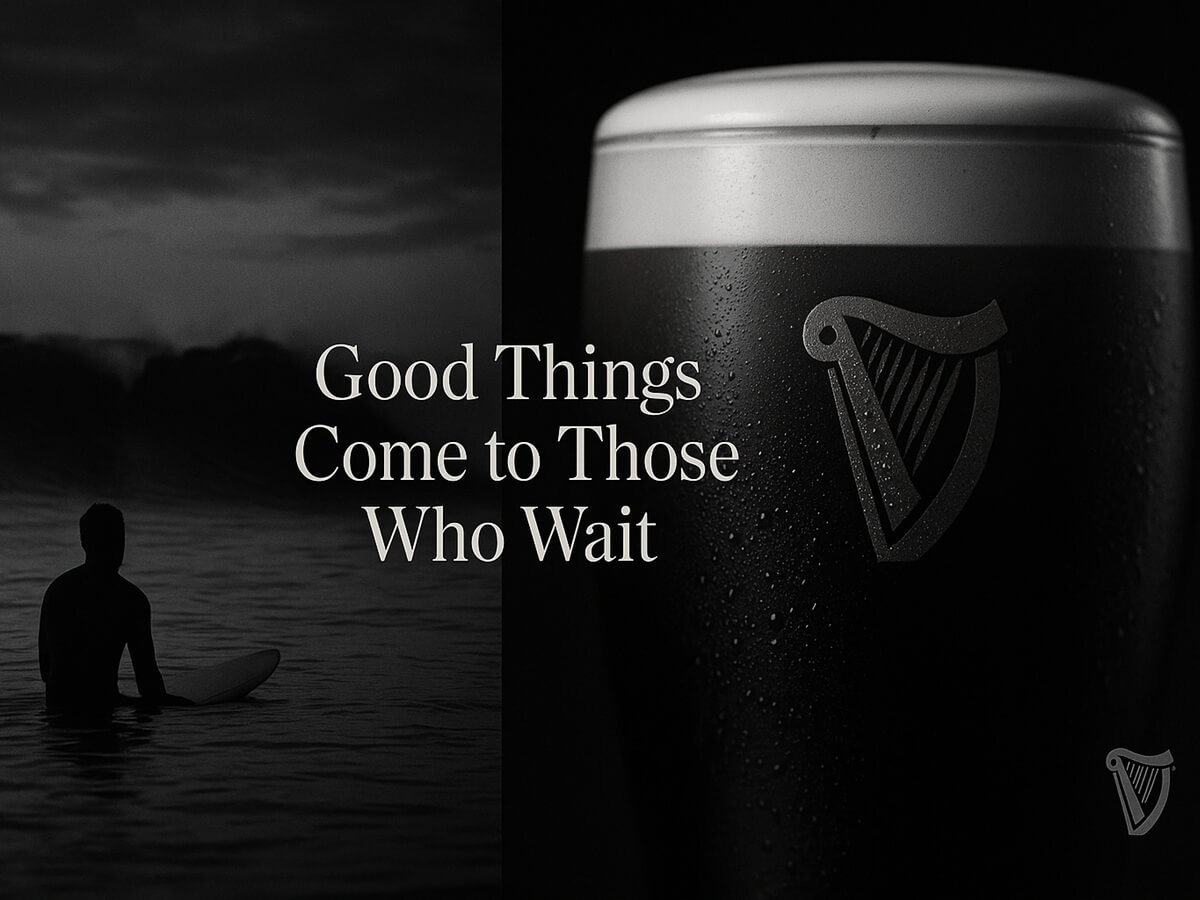
A classic Guinness advertising image showing the “Good Things Come to Those Who Wait” campaign, symbolising patience and craftsmanship.
Apple: Think Different
Stop Selling Your Service, Start Selling Your Values
In 1997, Apple was nearly finished. The company was losing money and market share. Steve Jobs came back and launched the “Think Different” campaign. It didn’t mention computers once. It celebrated people who changed the world.
The ads showed Albert Einstein, Martin Luther King, and other rebels. The message was clear: if you use Apple, you’re someone who thinks differently, too.
Within twelve months, Apple went from near-bankruptcy to profit. The campaign didn’t sell features or speeds. It sold belief and identity. People wanted to be part of something bigger.
Why this approach changed everything:
- Sold values, not specifications – Nobody remembers the technical details, everyone remembers the feeling
- Made customers feel special – You weren’t just buying a computer, you were joining a movement
- Set up the biggest comeback – Within five years, Apple launched the iPod and iPhone
What construction businesses can learn
Stop listing what you do. Start sharing why you do it. Maybe you build homes where families can grow. Maybe you restore beautiful old buildings that last for generations. Perhaps you care about sustainability or supporting local suppliers.
Put your values in your about page, on your van, in your conversations. When someone asks what you do, don’t just say “extensions and loft conversions.” Say “I help families get the space they need without having to move house.”
People buy from businesses they trust and believe in, not just the cheapest quote. Show them what you stand for.
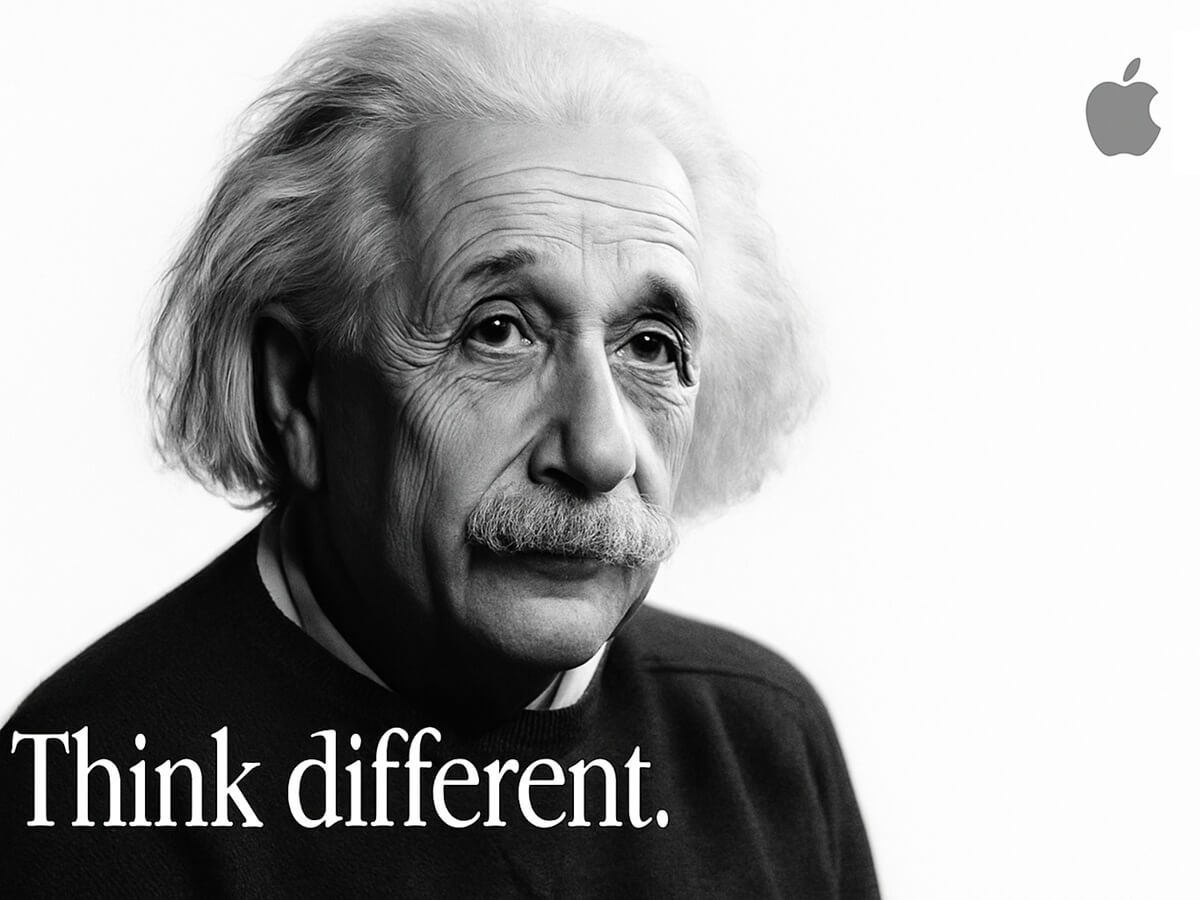
An Apple advertising image from the “Think Different” campaign, featuring Einstein to symbolise innovation and creative thinking.
Nike: Just Do It
Three Words Can Beat a Thousand Pictures
Back in 1988, Nike was losing ground to Reebok. They needed something bold. Then came “Just Do It.” Three small words that anyone could relate to: athletes, amateurs, or anyone facing any challenge.
The slogan didn’t promise better shoes or faster times. It spoke to that voice in your head that makes excuses. It said: Stop thinking, start doing.
Within ten years, Nike’s share of the North American sports shoe market jumped from 18% to 43%, and their worldwide sales went from $877 million to $9.2 billion.
Three reasons such simple words worked:
- Easy to remember – Even a child could repeat it
- Spoke to emotions – It was about courage, not products
- Worked for everyone – Whether you’re running a marathon or just getting off the sofa
What construction businesses can learn
Keep your message short and punchy. Use lines like “Built to Last”, “Strength You Can See”, or “Doing It Properly Since 1998.”
Forget complicated mission statements that need three paragraphs. Your message should fit on the side of your van and stick in someone’s head when they need a contractor six months from now.
Think about what you want people to remember about your business. Write it in five words or fewer. That’s your message. Use it everywhere: website, business cards, voicemail, van, emails.
Clear words stick. Complicated ones crumble like cheap mortar.
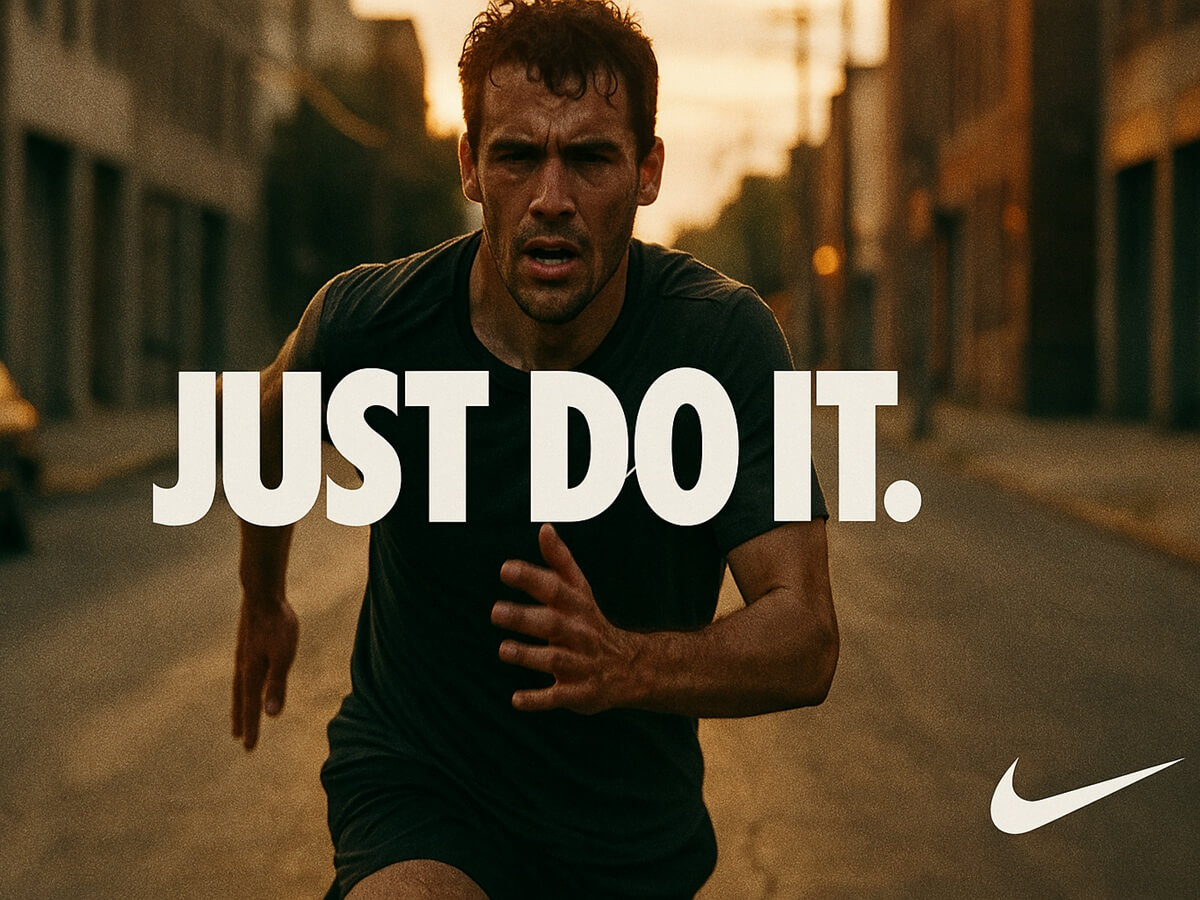
A powerful Nike advertising image from the “Just Do It” campaign, showing a runner mid-stride to symbolise drive and determination.
De Beers: A Diamond Is Forever
Build Habits That Keep Customers Coming Back
Diamonds weren’t always linked with engagement. Before 1947, only 10% of engagement rings had diamonds. Then De Beers launched “A Diamond Is Forever” and changed culture itself.
They didn’t just sell diamonds. They created a tradition, a habit, an expectation. Within twenty years, 80% of engagement rings had diamonds. The campaign didn’t just boost sales for a year. It built a market that still exists today.
Why this campaign lasted so long:
- Created a new buying habit – Made diamonds the only “proper” choice for engagement
- Connected emotion to product – Linked diamonds with eternal love and commitment
- Built cultural expectation – Changed what people believed they should do
What construction businesses can learn
Think beyond today’s job. You can build habits too. Offer annual roof checks, gutter clears before winter, or five-year check-ups on extensions you’ve built.
One main contractor in Birmingham sends a text every September: “Hi [name], just checking if you need gutters cleared before the winter rain.” Simple reminder. Costs nothing. Brings in regular work.
Another general contractor takes a photo at the end of every job with a little sign showing the completion date. Five years later, he sends that photo with a message: “Five years ago today, we finished your extension. Fancy a check-up to make sure everything’s still perfect?”
Marketing isn’t only about winning the next job. It’s about keeping your name in people’s minds for the one after that, and the one after that. Build habits and relationships that last.

A classic De Beers advertising image from the “A Diamond Is Forever” campaign, symbolising eternal love and emotional connection.
Compare the Market: Compare the Meerkat
Show Your Personality, Not Just Your Work
Price comparison websites used to be incredibly dull. Just numbers and forms. Then in 2009, Compare the Market launched their meerkat character. A joke about a talking meerkat became a cultural hit, toys, catchphrases, TV appearances, the lot.
Nobody expected a boring financial product to become funny. But it worked. The company’s market share jumped from 20% to 50% within a year, and the meerkat toys became so popular that people switched insurance just to get one.
Three reasons personality beats boring facts:
- Made a dull product memorable – You remembered the meerkat, so you remembered the brand
- Used humour and warmth – People smiled, so they felt positive about the company
- Created something people talked about – The ads became part of popular culture
What construction businesses can learn
Even serious trades can show personality. You don’t need a cartoon character, but you do need to be human. Show your team at work. Smile in your photos. Tell stories from the site.
One roofer posts a “Monday Motivation” picture every week, always him holding a brew, looking at the view from whatever roof he’s on. People love it. They share it. They remember him when they need roofing work.
People choose contractors they feel comfortable with. Someone who seems friendly and real beats someone who looks perfect but cold. Take photos of your team having a laugh. Share the daft moments. Post a picture of the site dog.
Warmth and personality build trust faster than any fancy brochure.

A well-known Compare the Market advertising image featuring the meerkat character and the “Simples” slogan, symbolising humorous and character-led brand marketing.
Coca-Cola: Share a Coke
Make Every Customer Feel Like Your Only Customer
By 2013, Coca-Cola sales were flat across Europe. Young people were drinking less fizzy pop. The brand felt old and impersonal. Then they tried something different, printing people’s names on bottles.
Suddenly, everyone wanted a bottle with their name on it. People bought bottles for friends. They posted photos on social media. They collected different names. It sounds simple, but it lifted UK sales by 7% after years of decline.
Why the personal touch changed everything:
- Made a mass product feel individual – Your bottle felt like it was made just for you
- Encouraged sharing and word-of-mouth – People bought extras as gifts and talked about it
- Created social media buzz – Millions of photos posted without Coca-Cola spending extra
What construction businesses can learn
Use people’s names in messages. Follow up after jobs with a personal text, not a generic email. Send a thank-you card with a handwritten note. Take a photo of the finished work and send it to them.
Small personal touches build massive trust. One general contractor sends a card on the first anniversary of completing someone’s extension: “One year ago today, we handed over your new kitchen. Hope you’re still loving it.”
Costs about £2, including postage. Results in referrals worth thousands.
Remember details. If they mentioned their daughter’s graduation, ask how it went when you call back. If they were worried about their elderly mum next door, check she’s okay when you’re packing up.
You’re not a big corporation. You’re a local contractor. That’s your advantage. Be personal. Be human. Be memorable.
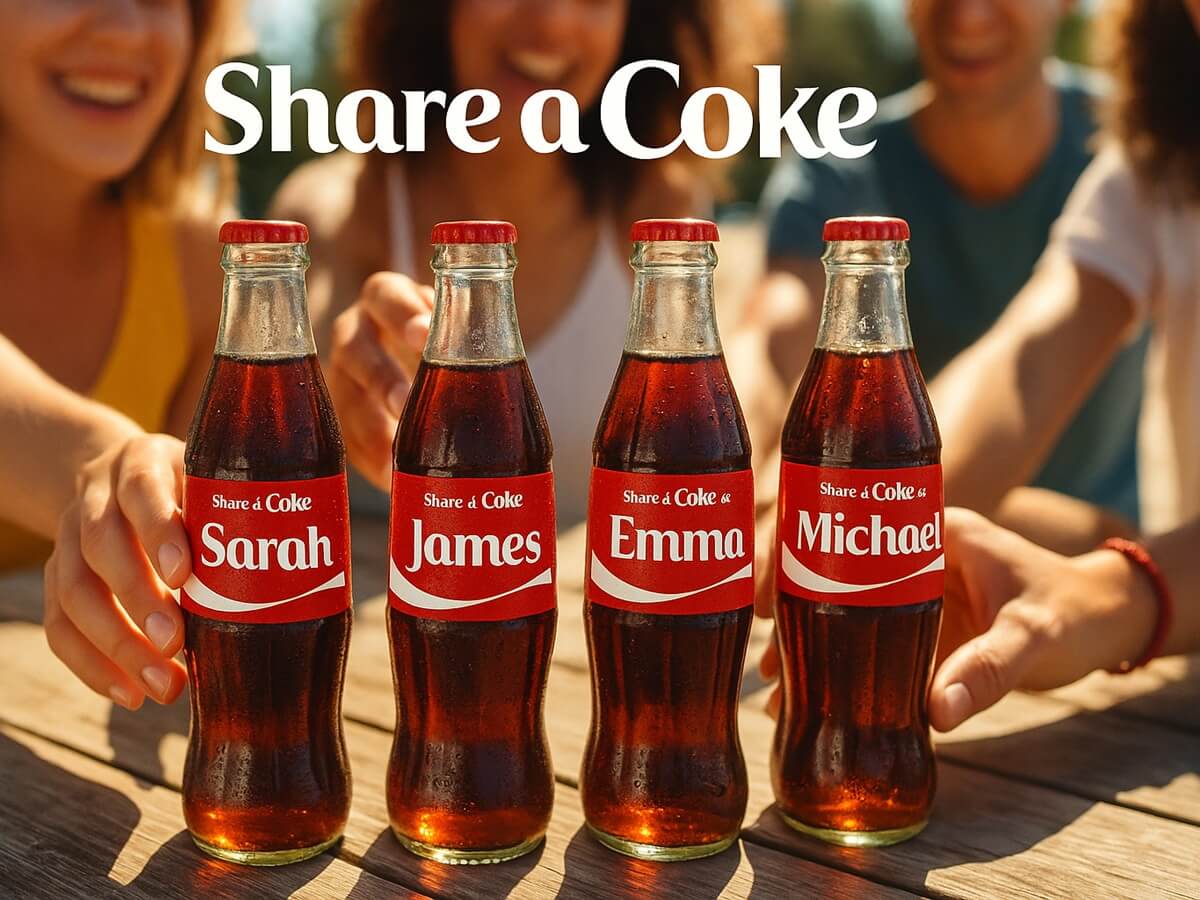
A vibrant Coca-Cola advertising image from the “Share a Coke” campaign, showing personalised bottles that connect friends through shared experiences.
Keep Building Your Reputation Every Single Week
Marketing works like plumbing; if one pipe’s blocked, nothing flows. These six campaigns show that success isn’t luck or massive budgets. It’s smart thinking and consistency.
Start by showing what makes your business worth waiting for, believing in, and remembering. Turn your careful approach into a strength. Share your values, not just your services. Keep your message simple and clear. Build habits that bring customers back. Let your personality show. Make every customer feel important.
The most successful construction businesses don’t just do good work; they tell people about it in ways that stick. They build their reputation the same way they build extensions: properly, consistently, with care.
You don’t need a million-pound budget. You need the right message, the right approach, and the commitment to keep going. That’s how the most successful marketing campaigns are built brick by brick, week by week.
Ready to Build Your Own Success Story?
At Purplex, we help construction and home improvement businesses turn these big-brand lessons into practical, local marketing strategies that win real work.
If you’d like to see how a tailored campaign can help your business grow, call 01934 808132, email grow@purplexmarketing.com, or visit our contact page.
We’re here Monday – Thursday, 8:30 am – 5 pm, and Fridays, 8:30 am – 4 pm.

About the Author – Martyn East
As an SEO Executive at Purplex, I create content marketing strategies that help construction and home improvement businesses grow. I combine clear messaging, data-driven SEO, and storytelling to turn marketing insights into measurable results.
Connect with me on LinkedIn or read more of my articles: Martyn East.
This entry was posted in branding and design, Content Marketing, Marketing Strategy